
Understanding the psychology behind your gambling habits and decisions
The Role of Emotion in Gambling
Emotion plays a crucial role in influencing how individuals engage with gambling activities. The thrill of winning can trigger feelings of euphoria, while losses often lead to frustration and disappointment. Understanding these emotional responses can provide insight into the decision-making processes that govern gambling behavior. For many, the highs of gambling can create a compelling attraction, making it hard to resist the urge to participate despite the risks involved.
An individual’s emotional state can skew their perception of reality, often leading them to chase losses or gamble more recklessly. This effect can be exacerbated by factors such as peer influence and marketing strategies designed to amplify emotional responses. Recognizing the interplay of emotions and gambling habits is vital for anyone looking to understand their behavior or seeking to make more informed decisions in their gambling endeavors, including choosing the best australia online casino.

Moreover, emotions can vary significantly based on the type of gambling. For instance, participating in sports betting may evoke excitement linked to the outcome of a game, while playing slots can generate a different set of emotions tied to each spin. These variations can create unique experiences that further engage individuals in gambling behaviors. Understanding these distinctions is essential as it highlights the relational dynamics between emotional responses and various gambling forms.
Cognitive Biases and Gambling Decisions
Cognitive biases are systematic patterns of deviation from norm or rationality in judgment, and they play a significant role in gambling decisions. For instance, the illusion of control can lead gamblers to believe they can influence the outcome of games purely based on skill, even in games of chance. This misconception can drive individuals to wager more money as they become overly confident in their abilities and assumptions.
Another relevant cognitive bias is the gambler’s fallacy, which suggests that past events will influence future outcomes in random events. For example, a player might assume that a losing streak will be followed by a win, leading them to place even larger bets. By becoming aware of these cognitive distortions, gamblers can better understand why they make certain choices and how to develop healthier gambling habits.
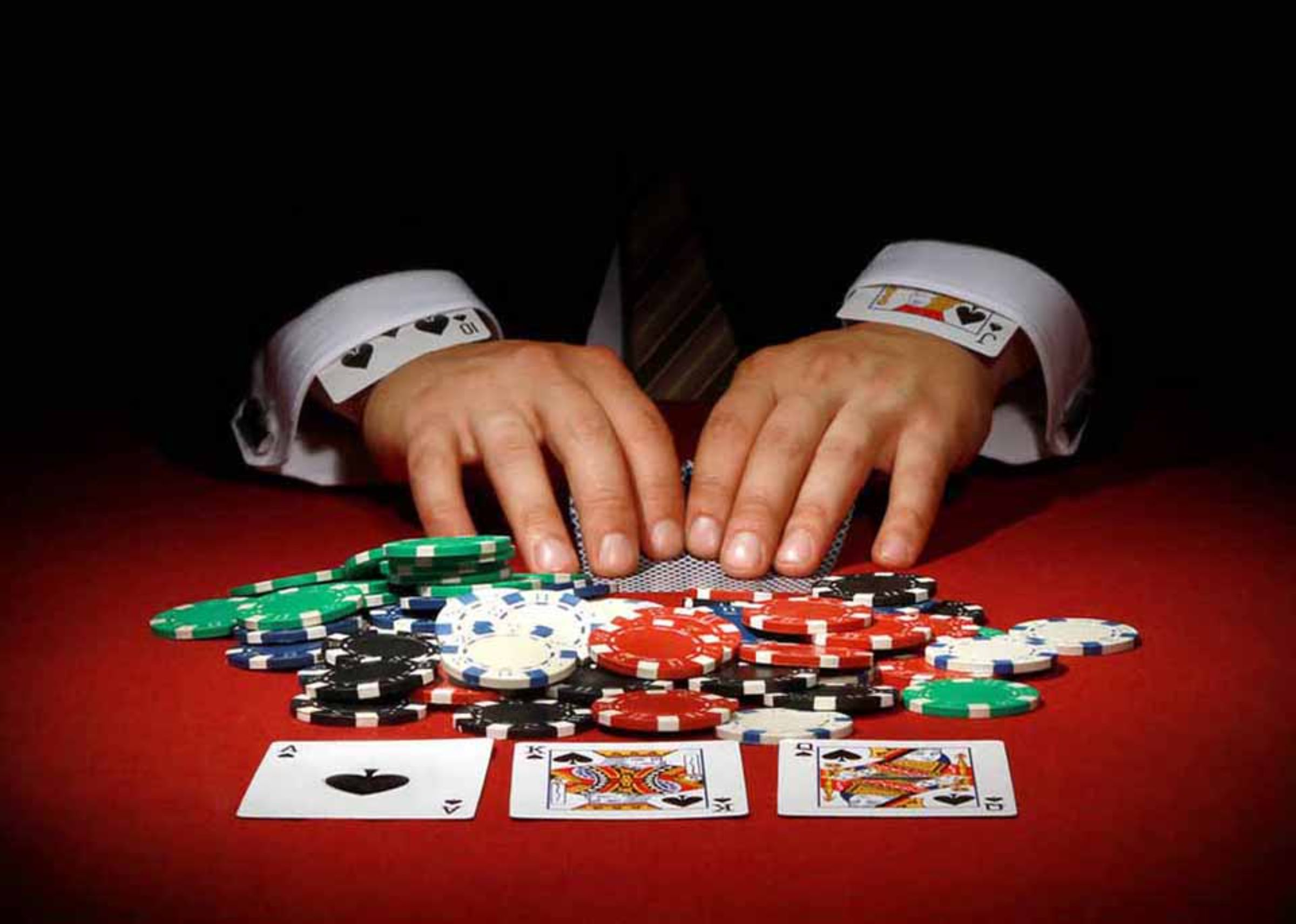
Additionally, research shows that cognitive biases can be interconnected, creating a complex web of thought patterns that affect gambling behavior. For instance, confirmation bias may lead gamblers to focus only on wins that support their belief in skill over chance, while ignoring losses that contradict this notion. Awareness of these biases can empower individuals to critically evaluate their gambling strategies, fostering better decision-making.
The Impact of Social Influences
Social influences are a powerful determinant of gambling habits. Friends, family, and broader social circles can shape attitudes towards gambling, impacting how much, how often, and where individuals gamble. Gamblers may feel pressured to conform to the behaviors of their peers, whether that means participating in high-stakes games or attending gambling events.
Additionally, social settings often reduce personal accountability, allowing individuals to gamble in ways they might avoid if they were alone. Recognizing these social pressures can help individuals assess their motivations for gambling and whether their actions align with their personal values and goals. It’s important for gamblers to reflect on how social contexts influence their choices and seek supportive environments that promote responsible gaming.
Furthermore, the advent of online gambling communities has transformed social influences. Players can connect with others around the world, share experiences, and even encourage risky behavior without face-to-face accountability. Understanding how online interactions can shape gambling habits is crucial for maintaining responsible practices.
The Cycle of Reward and Addiction
The cyclical nature of rewards in gambling can foster addiction. Each win, no matter how small, releases dopamine in the brain, which reinforces the behavior and increases the desire to gamble. This reward system can lead to a cycle where individuals continue gambling to replicate the feel-good emotions associated with wins, even when the losses begin to outweigh the gains.
Understanding this cycle is crucial for anyone who finds themselves gambling more than they intended. By recognizing the feelings associated with winning and losing, individuals can start to identify patterns in their behavior that may be harmful. Developing strategies to break this cycle, such as setting strict gambling limits or taking breaks, can empower individuals to regain control over their gambling habits.
Additionally, seeking support through counseling or support groups can serve as effective measures to disrupt this cycle of addiction. Engaging with professionals or peers who understand the complexities of gambling addiction can provide individuals with the necessary tools and support to manage their habits more effectively.
Understanding Your Gambling Behavior
To truly understand your gambling behavior, it’s essential to conduct a personal assessment of your habits and motivations. Begin by reflecting on when you gamble, how you feel during and after gambling sessions, and what triggers your desire to play. Keeping a journal can be a useful tool for tracking these aspects, which will provide clarity on your gambling habits.
Additionally, resources dedicated to promoting responsible gambling can be beneficial. Seeking guidance or support reflects a proactive approach to managing your relationship with gambling, helping ensure it remains a source of entertainment rather than a compulsive behavior. Websites focused on gambling education can provide insights and guidelines to help you navigate this complex landscape healthily and responsibly.
Ultimately, understanding your gambling behavior is an ongoing process. It involves continuous self-reflection and adapting your strategies based on changing circumstances. Engaging in this reflective practice not only enhances your awareness but also empowers you to make better decisions that align with your goals and values related to gambling.

