
Understanding the psychological triggers behind gambling behavior
The Allure of Gambling
Gambling has captivated human interest for centuries, evolving from simple dice games in ancient civilizations to the sophisticated online platforms we see today. One reason for this allure is the thrill and excitement associated with risking money for the potential of winning big. The unpredictable nature of gambling taps into our desire for instant gratification, making the experience exhilarating. This sense of excitement is a powerful psychological trigger that draws players into the game, often leading to repeated behaviors. As players explore, they may discover new online casinos that enhance their gaming experiences.

Moreover, the social environment surrounding gambling can further amplify its appeal. Many people enjoy the camaraderie of visiting casinos or participating in group betting. This social interaction provides a sense of belonging and encourages individuals to gamble to strengthen bonds with peers. In essence, the blend of thrill and community creates a unique psychological landscape that makes gambling irresistible for many.
Additionally, the role of chance in gambling can evoke feelings of hope and optimism. Gamblers often fantasize about hitting the jackpot or achieving success against the odds. This mindset can create a feedback loop where players continue to wager in hopes of achieving that elusive win, leading to increased gambling behavior. Understanding these psychological aspects can help reveal why gambling remains a prevalent activity across cultures and demographics.
The Psychology of Reward and Reinforcement
Central to understanding gambling behavior is the concept of reward and reinforcement. The brain’s reward system releases dopamine, a neurotransmitter associated with pleasure, whenever a person experiences something rewarding. Winning a bet or hitting a jackpot activates this system, which reinforces the gambling behavior. Over time, this reinforcement can create a compulsive cycle where the individual continues to seek out gambling opportunities in pursuit of that dopamine high.
This psychological trigger can lead to a phenomenon known as variable ratio reinforcement. Unlike fixed reinforcement schedules, variable reinforcement rewards individuals sporadically, making the reward feel more unpredictable and exciting. This unpredictability encourages gamblers to continue playing, as they never know when the next win might occur, reinforcing their behavior in a way that resembles addiction.
Moreover, this psychological mechanism can be heightened by factors like near-misses, where players come close to winning but do not. Near-misses can be particularly potent, as they often leave players feeling that victory is just within reach. This perception can further drive individuals to gamble repeatedly, hoping that the next round will be their lucky one. Understanding these reinforcement dynamics is crucial in grasping the complex psychology behind gambling behaviors.
The Role of Cognitive Distortions
Cognitive distortions also play a significant role in gambling behavior. Many gamblers fall victim to irrational beliefs that can skew their understanding of odds and outcomes. One common distortion is the gambler’s fallacy, where individuals believe that past events affect future outcomes in a game of chance. For example, a gambler may think that because a particular number hasn’t come up in a while, it is due to hit soon. Such misconceptions can lead to poor decision-making and increased gambling frequency.
Another cognitive distortion is the illusion of control, where gamblers mistakenly believe they can influence the outcome of a game through their actions or strategies. This belief is especially prevalent in games that involve skill, such as poker. Gamblers may feel that their expertise can sway the odds in their favor, leading them to wager more than they might otherwise. This perception can create a false sense of security that perpetuates gambling behavior.
Additionally, the concept of selective memory can exacerbate these cognitive distortions. Gamblers may vividly remember their wins while downplaying their losses, leading to an inflated perception of their overall success. This skewed view can result in a false confidence that encourages continued gambling. Recognizing and addressing these cognitive biases can help individuals understand their gambling behaviors and make more informed decisions.
The Impact of Emotional States
Emotions significantly influence gambling behavior, often acting as both triggers and consequences of the activity. Many individuals use gambling as a coping mechanism to escape negative emotions such as stress, anxiety, or depression. The immediate thrill of gambling can provide a temporary distraction, making it an appealing option for those seeking relief from emotional turmoil. However, this reliance on gambling as an emotional crutch can lead to compulsive behavior and an increased risk of addiction.
Conversely, positive emotions can also drive gambling behavior. Celebratory moments or feelings of euphoria may prompt individuals to engage in gambling as a form of reward or self-indulgence. This emotional connection can create a cycle where positive outcomes reinforce the behavior, leading individuals to gamble more frequently during high periods of emotion. Understanding the relationship between emotional states and gambling is crucial in addressing problematic behaviors.
Furthermore, the emotional highs and lows experienced during gambling can create an intense psychological rollercoaster. Winning brings joy and excitement, while losing can lead to frustration and despair. This unpredictable emotional landscape can keep individuals coming back for more, as they chase the next high while attempting to recover from losses. Awareness of these emotional triggers can help individuals develop healthier coping strategies and better manage their gambling behavior.
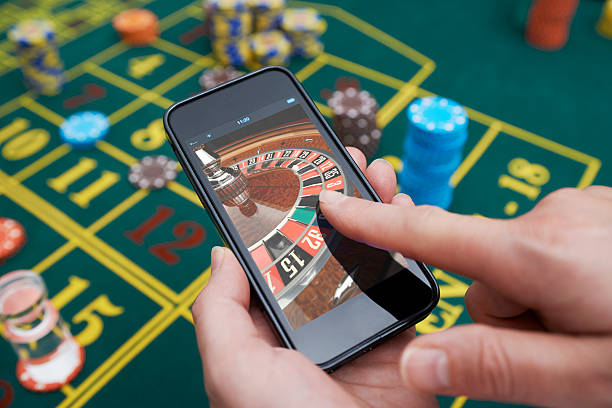
Exploring Responsible Gambling Resources
Understanding the psychological triggers behind gambling behavior can pave the way for responsible gaming practices. Awareness of these triggers enables players to recognize their motivations and behaviors, thus fostering a healthier relationship with gambling. Various organizations and resources are available to help individuals manage their gambling habits and promote responsible gaming. These resources often provide education, support, and strategies for self-assessment.
Many online platforms also incorporate responsible gambling measures, offering tools like deposit limits, self-exclusion options, and reality checks. These features empower players to take control of their gambling habits and seek help when necessary. By integrating such practices, online casinos can contribute to a safer gambling environment, ensuring players can enjoy gaming responsibly without succumbing to negative behaviors.
Ultimately, fostering an understanding of psychological triggers and their effects on gambling behavior can lead to informed choices and healthier gaming experiences. Whether for personal awareness or broader community support, being educated about these factors encourages players to engage with gambling in a way that promotes enjoyment while minimizing risks. Through responsible gambling resources, players can find a balance that allows for entertainment without the pitfalls of addiction.

